Navigating Cancer Care: Empowering Patients Through Knowledge and Support
Navigating cancer care can often feel like traversing a labyrinth without a map. Patients frequently find themselves overwhelmed by medical jargon, treatment options, and an emotional rollercoaster. However, education stands as an empowering tool, shedding light on the complex world of oncology and providing clarity amidst the chaos. It’s crucial to foster an understanding of your diagnosis, whether it be carcinoma, a neoplasm, or any malignancy, and how it impacts your treatment choices and overall well-being.
Imagine stepping into the realm of medical education as a way to arm yourself against uncertainty. Knowing the ins and outs of treatment modalities, such as chemotherapy, radiation therapy, and immunotherapy, can transform your approach to healthcare. Did you know that engaging with healthcare professionals about clinical trials could unlock innovative treatments that boost survivorship? When patients advocate for themselves and seek knowledge, they not only enhance their quality of life but also build a solid foundation for informed decision-making.
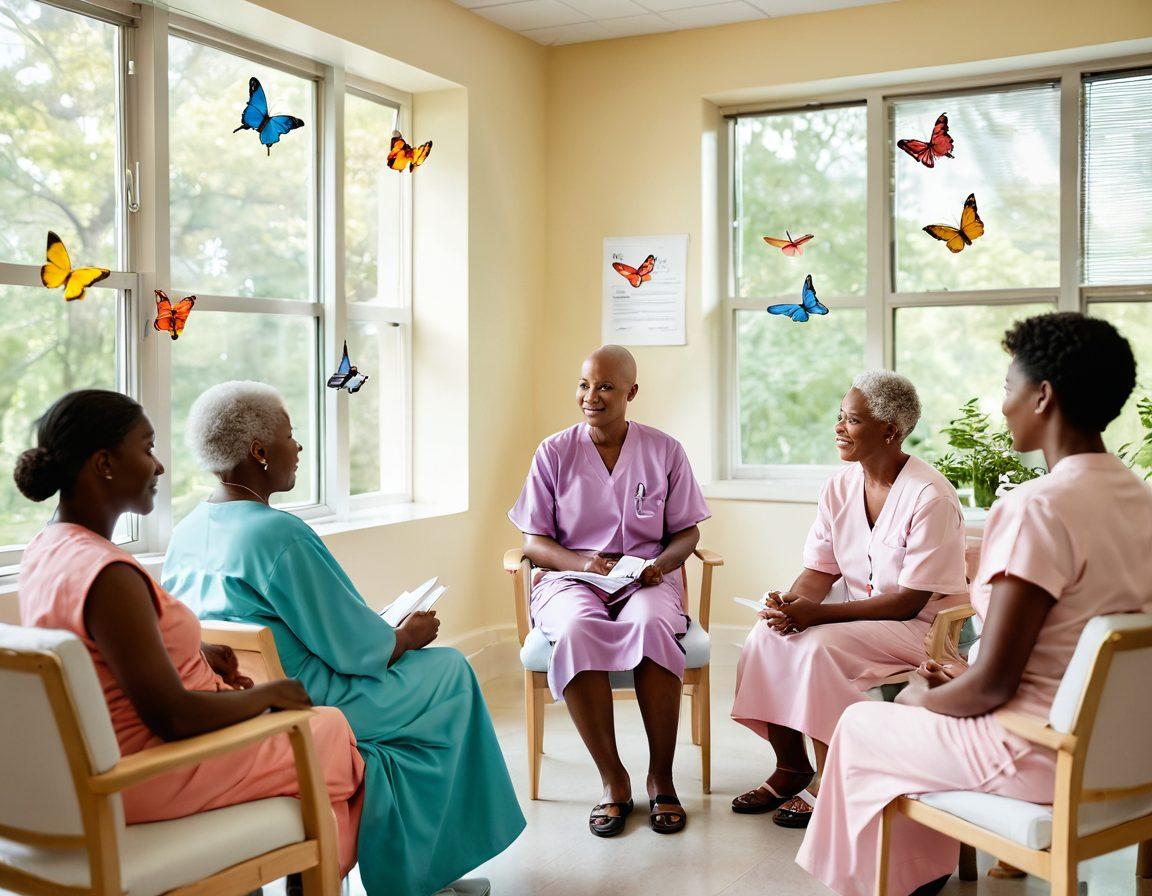
What role does community support play in your cancer journey? The answer might surprise you! A sense of belonging and shared experiences can provide emotional support that complements medical care. Communal spaces often facilitate discussions about cancer awareness and prevention, leading to lifestyle changes and holistic health approaches. Have you considered how integrating nutritional advice into your daily routine can make significant strides in symptom management?
Delving deeper into the power of education, let’s address a poignant question: How can early detection affect the trajectory of your treatment? Understanding the significance of diagnostics can profoundly impact your journey. Regular screenings elevate cancer awareness, and they could be the difference in catching a malignancy before it advances. As you embark on your educational journey, consider reaching out to resources that promote cancer awareness programs and explore opportunities to participate in medical research.
Finally, the path of survivorship is paved with both challenges and triumphs, and education helps illuminate this path. Whether through workshops that teach the fundamentals of palliative care or forums that encourage open conversations about emotional and psychological support, knowledge underscores every step. As you navigate your cancer care journey, remember that you don’t have to go it alone. Seek information, connect with supportive communities, and embrace your journey with an empowered spirit for a better quality of life.
From Diagnosis to Survivorship: Comprehensive Support for Every Step
The journey through cancer care is like embarking on a long, winding road; every turn reveals new challenges and unexpected gifts. From diagnosis to survivorship, the experience can be overwhelming. Questions swirl around in your mind: What is oncology, and why is early detection so critical? How will I cope with the treatments for my tumor? Fortunately, you don’t have to navigate this journey alone. Community support, patient advocacy, and medical research provide a wealth of knowledge and resources to help you every step of the way.
Upon receiving a cancer diagnosis, your world may feel like it has just come crashing down. Malignancy, neoplasm, carcinoma—these terms are enough to make anyone’s heart race. However, understanding your condition is crucial. Whether it's regarding your treatment options like chemotherapy, radiation therapy, or the newer frontier of immunotherapy, gaining insight into what each entails can transform fear into empowerment. Engaging in medical education not only improves your understanding but also fosters effective communication with your healthcare team. Ask questions, seek clarity, and become your own advocate—every bit of knowledge helps pave the path to your survivorship.
Imagine a patient participating in clinical trials, bravely standing at the forefront of medical advancement. Their decision to engage in research not only supports their own health journey but contributes to the wider world of cancer awareness and prevention. How can we, as a community, combat these life-altering diagnoses? Through shared stories, support groups, and open conversations, we can shed light on the importance of symptom management and personal experiences in battling cancer. We must remember: it's not just about surviving cancer; it's about thriving in the journey.
Lifestyle changes play a significant role in your cancer narrative. Nutrition, exercise, and holistic health approaches can greatly improve your quality of life during and after treatment. What if small adjustments made today could lead to better outcomes in the future? By focusing on well-being and adopting healthy habits, you can create a powerful shield against recurrences. Nutritionists and dieticians specializing in oncology can help guide you in creating meal plans that not only nourish your body but also fend off the impacts of treatment.
Lastly, let’s talk about emotional support. The road to survivorship isn’t just about battling malignancies. It is also about coming out on the other side, stronger and more resilient than ever. Connect with support groups, reach out to mental health professionals, and surround yourself with those who uplift you. It’s essential to realize that the fight against cancer calls for a multi-faceted approach that includes both physical and emotional care. How will you redefine your personal narrative in this ongoing story? Remember, you have the power to advocate for your health, and with the right support, you can transform your experience from one of struggle to one of hope and resilience.
Creating a Community of Care: The Importance of Patient Advocacy in Oncology
In the realm of oncology, where fear and uncertainty often take center stage, the concept of patient advocacy emerges as a beacon of hope for those navigating the tumultuous waters of cancer care. Imagine facing a diagnosis like carcinoma or a particularly aggressive neoplasm—how do you manage the overwhelming flood of information and emotional turmoil? Community support is paramount, allowing individuals to connect, share their journeys, and find strength in numbers. The realization that no one has to face this battle alone can be incredibly empowering, transforming the approach to treatment and survivorship.
The role of patient advocacy in oncology cannot be overstated. It's the bridge that connects patients with essential resources like medical education, clinical trials, and the latest advancements in chemotherapy, radiation therapy, and immunotherapy. Advocacy groups not only raise cancer awareness but also promote early detection and cancer prevention strategies that genuinely save lives. They empower patients to ask the right questions during consultations, ensuring they understand their treatment options and the importance of symptom management for maintaining a quality of life that patients deserve.
What might it look like to create a robust community of care? Picture a network where individuals battling malignancy are met with open arms. Group meetings focused on holistic health principles, lifestyle changes, and nutrition offer not just practical advice but emotional support as well. These gatherings can turn into safe havens, filled with laughter, tears, and shared stories—it’s in these moments that patients learn they are not defined by their tumors but by their resilience and courage.
Quotes like, 'Cancer is a journey, not a destination,' resonate deeply within these communities, reminding us that every step, whether forward or backward, is a testament to strength. When patients feel supported, they are more likely to engage in their treatment process, attend medical appointments, and participate in clinical trials. After all, patient advocacy also involves making informed decisions regarding palliative care when necessary, placing the patient's well-being at the forefront.
As we look toward the future, let’s champion the importance of creating a community of care through advocacy. The advancements in medical research should not only focus on eradication methods but also on enhancing the overall quality of life for cancer patients. Engaging with healthcare providers, support groups, and educational resources can foster a sense of belonging and hope. So, how can you get involved? Seek local support networks, volunteer for advocacy organizations, or simply reach out to someone in your community who may be feeling alone. Together, let’s create a tapestry of support, ensuring that no one has to navigate the complexities of oncology in isolation.